

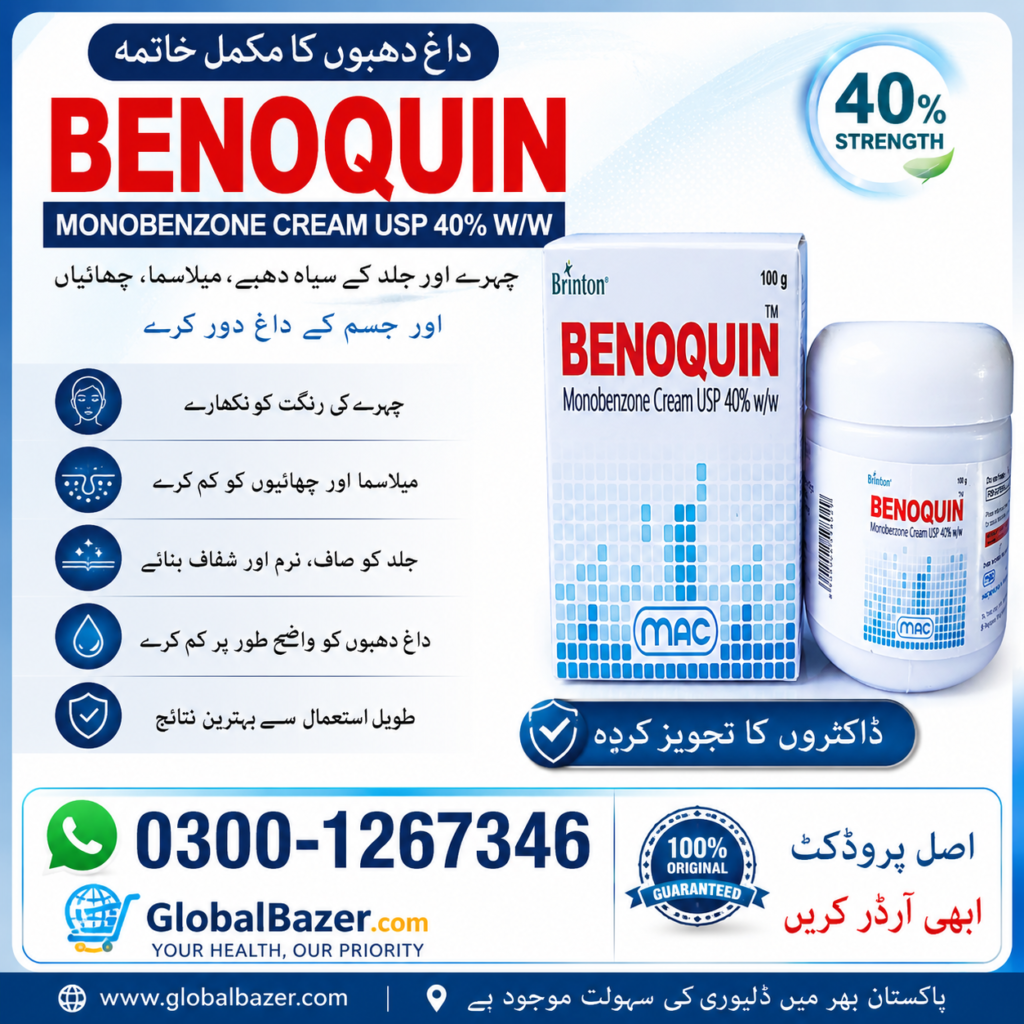
Skin hyperpigmentation and autoimmune dermatological conditions such as vitiligo present unique challenges to healthcare providers and patients alike. While mild cosmetic darkening can often be managed with everyday brightening agents or topical exfoliation, widespread depigmentation requires specialized clinical intervention. Among the most potent dermatological agents available today is monobenzone, commercially known as monobenzyl ether of hydroquinone (MBEH). High-concentration formulations, specifically Benoquin Monobenzone Cream 40%, serve a dedicated medical purpose in transforming extensive, irregular skin tones into a unified appearance. When searching for an authentic treatment solution, using genuine Benoquin Monobenzone Cream 40% ensures predictable therapeutic outcomes for widespread depigmentation regimens.
2. سب ہیڈنگ (H2) اور اس کے نیچے والا پیراگراف – اس سے تبدیل کریں:
Clinical Uses and Benefits of Benoquin Monobenzone Cream 40%
Benoquin Monobenzone Cream 40% is explicitly formulated for targeted dermatological indications. Understanding who benefits from Benoquin Monobenzone Cream 40% helps prevent misuse and optimizes clinical outcomes for severe pigment loss.
3. Conclusion (آخری پیراگراف) – اس سے تبدیل کریں:
Conclusion: Achieving Even Skin Tone Safely
Depigmentation therapy represents a significant milestone for individuals managing widespread vitiligo. Formulations like Benoquin Monobenzone Cream 40% offer a reliable, permanent option to restore an even, confident skin appearance when managed with care and medical understanding. Incorporating Benoquin Monobenzone Cream 40% under expert guidance guarantees a safe journey toward achieving a single, uniform skin tone.
By strictly following recommended application procedures, maintaining diligent sun protection, and sourcing high-quality Benoquin Monobenzone Cream 40%, users can successfully undergo depigmentation therapy while protecting overall skin health. Always consult a qualified dermatologist to design a treatment protocol tailored to your specific skin needs.

What is Benoquin Monobenzone Cream 40%?
Benoquin Monobenzone Cream 40% is an advanced topical agent designed specifically for medical depigmentation. The active pharmaceutical ingredient, monobenzyl ether of hydroquinone (MBEH), is a chemical compound related to hydroquinone but possesses far stronger, permanent melanocytotoxic properties.
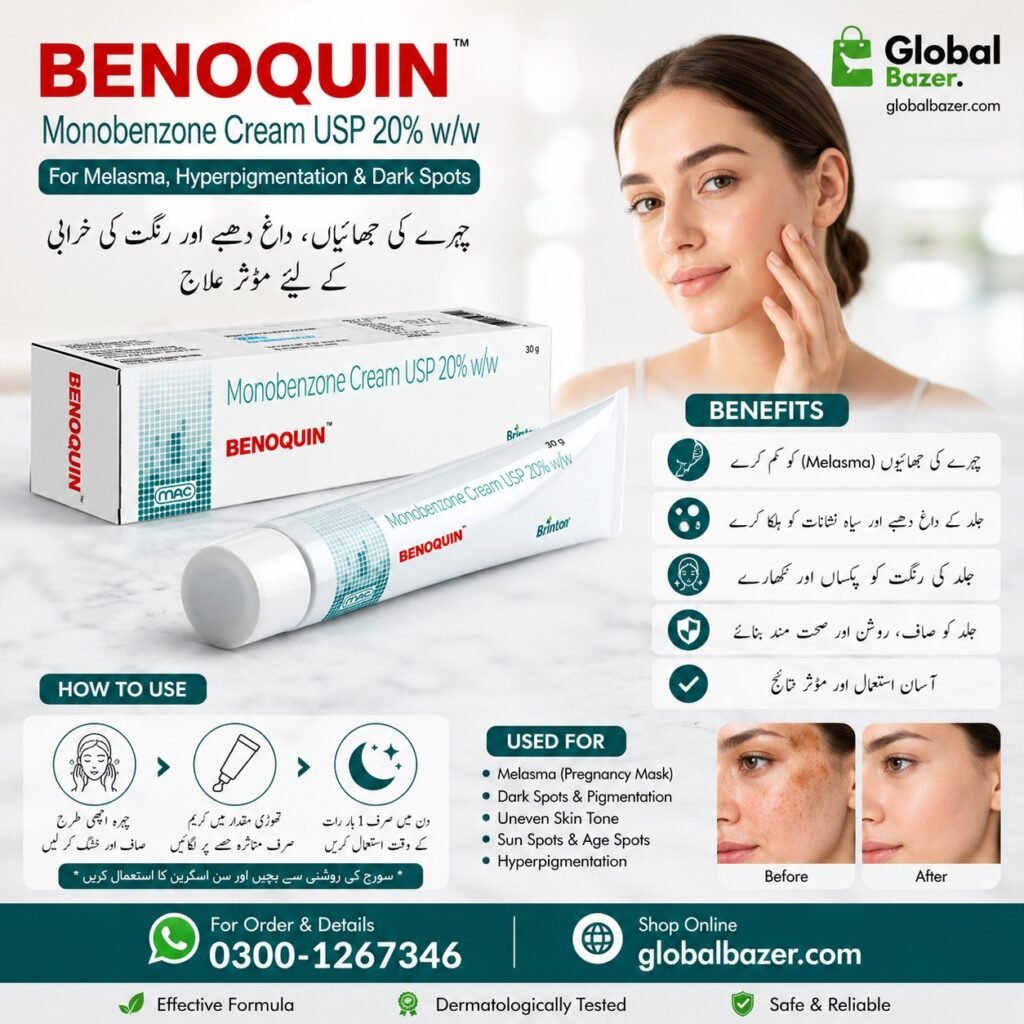
While lower concentrations (such as 20% creams) are frequently utilized for general depigmentation protocols, higher strengths like 40% are prescribed for resistant skin areas, such as the elbows, knees, thick epidermal layers, or extensive widespread patches.
Key Characteristics of Monobenzone:
- Active Ingredient: Monobenzyl Ether of Hydroquinone (40% concentration).
- Primary Function: Permanent destruction of pigment-producing skin cells (melanocytes).
- Clinical Purpose: Achieving uniform skin tone in patients diagnosed with extensive vitiligo.
- Category: Prescription-strength medical dermatology product.
It is critical to distinguish monobenzone from cosmetic skin-lightening products containing kojic acid, vitamin C, or mild hydroquinone. Monobenzone is not designed for temporary brightening, clearing acne scars, or fading sun spots. It is a permanent medical depigmentation therapy.

Mechanism of Action: How Monobenzone Works at the Cellular Level
To appreciate how Benoquin Monobenzone Cream 40% operates, it is necessary to examine the biology of human skin pigmentation. Skin color is determined by melanin, a biological pigment produced by specialized cells called melanocytes located at the basal layer of the epidermis.
When monobenzone is applied topically:
- Inhibition of Tyrosinase: Monobenzone inhibits tyrosinase, the key enzyme responsible for converting tyrosine into melanin within melanocyte organelles (melanosomes).
- Increase in Cellular Reactive Oxygen Species (ROS): Monobenzone increases oxidative stress inside melanocytes. Clinical research documented by the National Institutes of Health (PMC) highlights that monobenzone increases localized oxidative markers, leading to cellular degradation of pigment-producing units.
- Melanocyte Destruction: Unlike hydroquinone, which merely suppresses melanin synthesis temporarily, monobenzone leads to the permanent breakdown of melanocyte structures.
- Permanent Pigment Clearance: As old skin cells shed naturally through epidermal turnover, no new melanin is synthesized in treated areas, resulting in permanent depigmentation.
Primary Indications and Clinical Uses
Monobenzone cream 40% is explicitly formulated for targeted dermatological indications. Understanding who benefits from this treatment helps prevent misuse.
1. Extensive and Generalized Vitiligo
Vitiligo is an autoimmune disorder where the immune system mistakenly attacks melanocytes, causing smooth white patches on various parts of the body. When vitiligo covers a significant proportion of the body surface area—typically exceeding 50% to 70%—attempting to restore natural color (repigmentation) becomes medically impractical and inconsistent.
In such extensive cases, dermatologists recommend reversing the approach: instead of attempting to darken the white patches, patients lighten the remaining naturally dark skin patches. This process creates a uniform, single-toned appearance across the body, significantly reducing emotional distress and social discomfort.
2. Resistance to Traditional Repigmentation Therapies
Patients who have undergone extensive phototherapy (PUVA or narrowband UVB), topical corticosteroids, or calcineurin inhibitors without success often transition to depigmentation therapy as a definitive final solution.
Step-by-Step Application Guide for Optimal Results
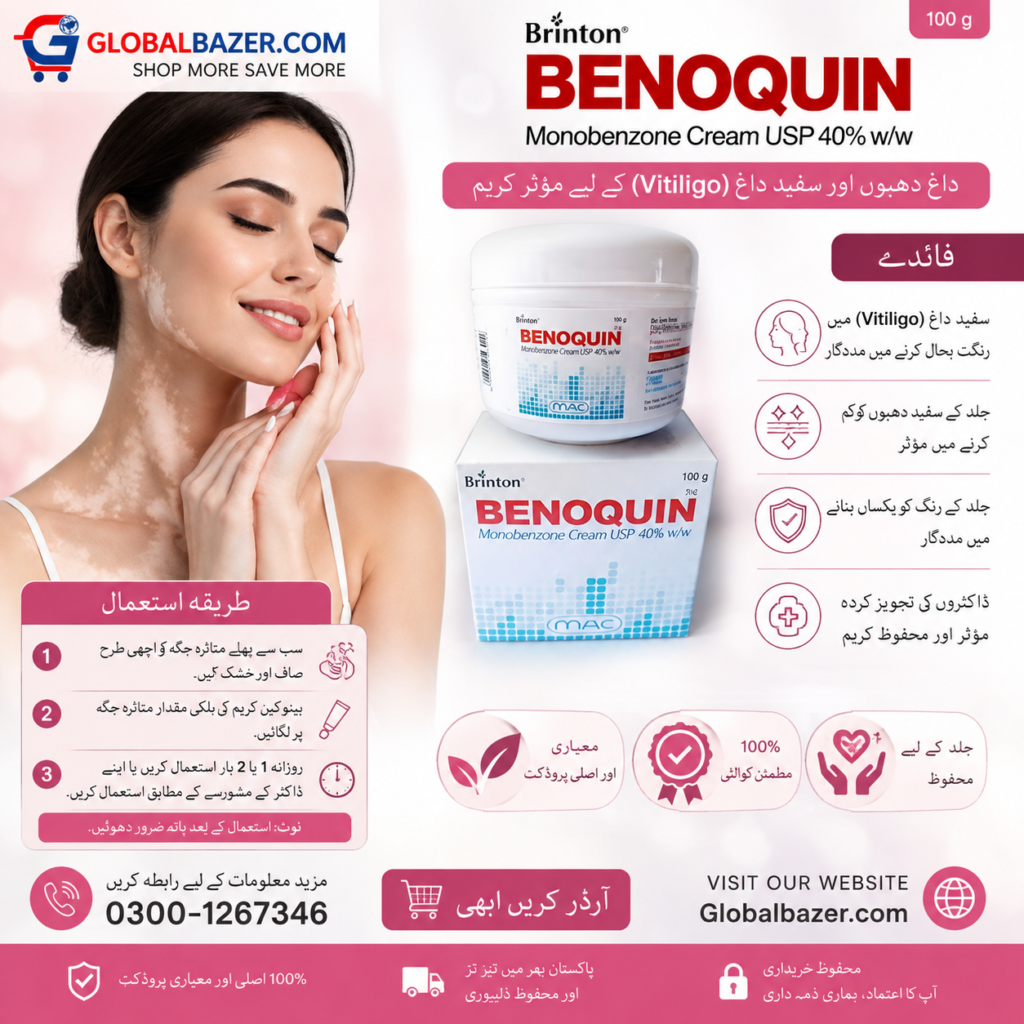
Using high-potency formulations like Benoquin Monobenzone Cream 40% demands discipline, precision, and adherence to medical instructions.
Step 1: Preliminary Sensitivity Testing (Patch Test)
Before applying the cream to broad facial or bodily areas, conduct a sensitivity test:
- Clean a small patch of skin on the inner forearm or behind the ear.
- Apply a thin layer of monobenzone 40% cream once daily for 7 to 10 days.
- Observe for intense burning, severe swelling, or rash. Mild redness is normal, but severe inflammation indicates potential hypersensitivity.
Step 2: Proper Daily Application
- Cleanse the Area: Wash the target area with a gentle, non-irritating cleanser and pat completely dry.
- Apply a Thin Layer: Rub a thin layer of the cream into the pigmented patches that require lightening. Avoid applying to already depigmented skin or sensitive mucous membranes (eyes, lips, and nostrils).
- Frequency: Typically applied 2 to 3 times daily as prescribed by a dermatologist.
- Wash Hands: Thoroughly wash hands immediately after application to avoid accidental depigmentation of fingers or unintended transfer to other skin areas or contact persons.
Step 3: Duration and Maintenance
- Initial Depigmentation Phase: Results generally begin to manifest within 1 to 4 months of consistent daily use. Full depigmentation may require 6 to 12 months, depending on skin thickness and individual metabolism.
- Maintenance Phase: Once the desired uniform skin tone is achieved, application frequency can be reduced to 2 times a week or as needed to maintain complete depigmentation and prevent sporadic repigmentation.
Critical Safety Precautions & Sun Protection Guidelines
Because monobenzone alters skin biology permanently, adhering to robust safety measures is paramount during and after treatment.
Extreme Sun Sensitivity (UV Vulnerability)
Melanin serves as the body’s natural barrier against ultraviolet (UV) radiation from sunlight. Once melanin is cleared through monobenzone therapy, the skin loses its natural UV defense mechanism.
- Broad-Spectrum Sunscreen: Daily use of a broad-spectrum sunscreen with SPF 50 or higher is non-negotiable. Reapply every two hours when outdoors.
- Protective Clothing: Wear long sleeves, wide-brimmed hats, and UV-blocking sunglasses when exposed to daylight.
- Avoid Peak Sun Hours: Stay indoors or in shade between 10:00 AM and 4:00 PM when solar radiation is strongest.
Potential Side Effects and Management
While generally well-tolerated when used as directed, users may experience localized dermatological responses:
| Side Effect | Cause | Management Strategy |
| Mild Erythema (Redness) | Initial skin adjustment to active compound | Apply a fragrance-free moisturizer |
| Dryness & Peeling | Accelerated skin turnover | Use mild hydrating serums and gentle creams |
| Transient Burning Sensation | Localized active ingredient absorption | Reduce application frequency temporarily |
| Remote Depigmentation | Absorption and systemic distribution | Consult dermatologist; ensure proper dosing |
Myths vs. Facts: Clearing Misconceptions About Monobenzone
Given the power of monobenzone products, several misunderstandings circulate online. Let us clarify key facts:
Myth 1: “Monobenzone is a standard cosmetic fairness cream.”
Fact: False. Monobenzone is a potent pharmaceutical agent that causes permanent depigmentation. It should never be used as a routine beauty cream for minor tan removal or general cosmetic lightening.
Myth 2: “Depigmentation happens overnight.”
Fact: False. Depigmentation is a gradual physiological process taking several months of continuous application as cellular turnover replaces pigmented epidermal cells.
Myth 3: “Skin color will return once you stop using the cream.”
Fact: False. Monobenzone causes permanent melanocyte destruction. While minor, patchy repigmentation can occasionally occur due to sun exposure, the overall depigmentation effect is irreversible.
Why Choose Authentic Quality Products?
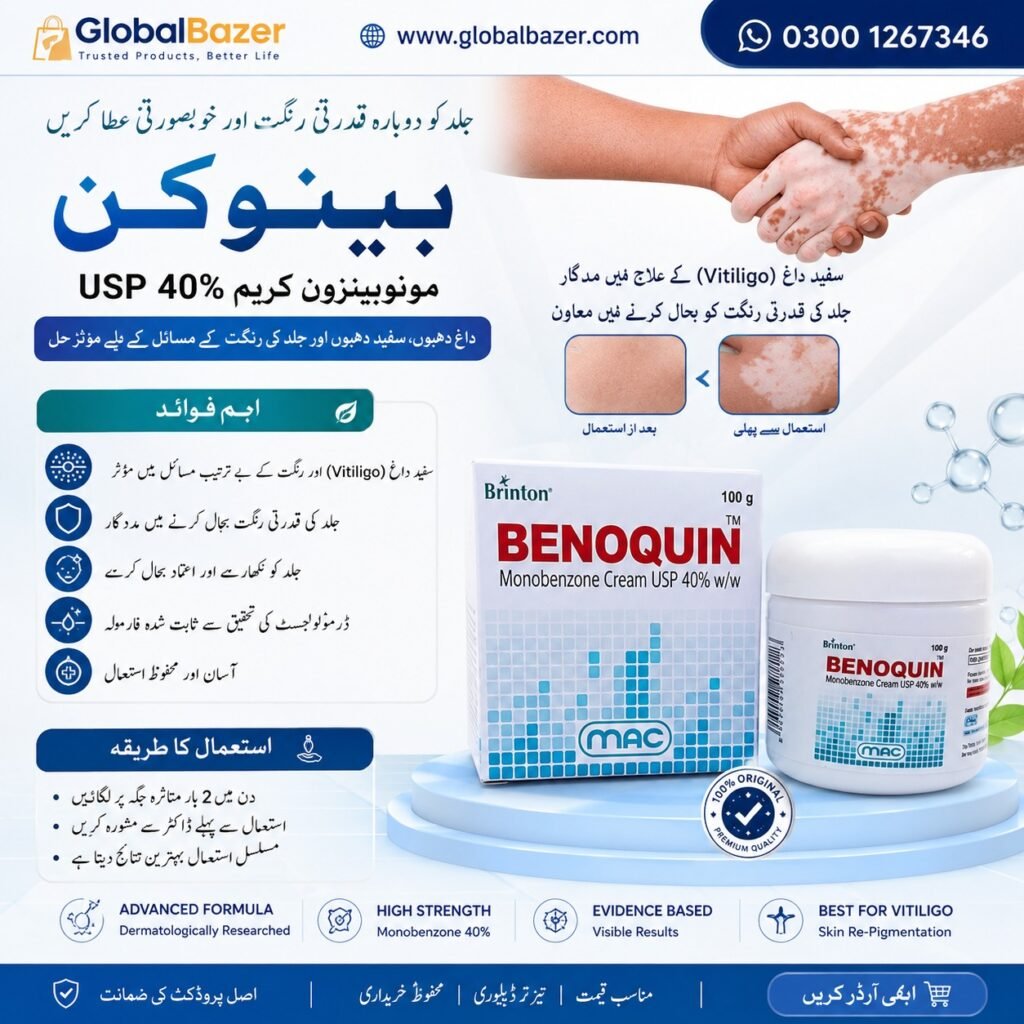
When dealing with high-concentration formulations like Benoquin Monobenzone Cream 40%, product purity and correct active concentration are essential. Counterfeit or poorly formulated creams can cause severe chemical burns, severe contact dermatitis, or uneven, patchy results.
Key quality indicators when sourcing your treatment:
- Verified Active Concentration: Ensuring a precise 40% monobenzone balance.
- Proper Packaging: Sealed tubes to prevent oxidation of active ingredients.
- Reliable Sourcing: Sourcing from trusted vendors like Globalbazer ensures fresh batches with full potency intact.
Frequently Asked Questions (FAQs)
Q1: Can I use Monobenzone 40% for acne spots or freckles?
No. Monobenzone permanently destroys skin pigment cells. Using it on isolated acne spots or freckles can leave permanent, chalk-white spots on otherwise healthy skin. For minor spots, consult a dermatologist for milder treatments containing hydroquinone, azelaic acid, or niacinamide.
Q2: How long does it take to see visible results?
Most users observe initial fading between 4 to 8 weeks. Complete depigmentation usually takes 6 to 12 months depending on individual skin responsiveness and application consistency.
Q3: Is the skin discoloration from monobenzone reversible?
No. Depigmentation induced by monobenzone is considered permanent because it leads to melanocyte cell death in treated regions.
Q4: Can monobenzone be used on the face?
Yes, under medical supervision. Extra care must be taken to avoid sensitive areas such as eyelids, lips, and nostrils.
Conclusion: Achieving Even Skin Tone Safely
Depigmentation therapy represents a significant milestone for individuals managing widespread vitiligo. Formulations like Benoquin Monobenzone Cream 40% offer a reliable, permanent option to restore an even, confident skin appearance when managed with care and medical understanding.
By strictly following recommended application procedures, maintaining diligent sun protection, and sourcing high-quality products, users can successfully undergo depigmentation therapy while protecting skin health. Always consult a qualified dermatologist to design a treatment protocol tailored to your specific skin needs.